
Boca Raton Waterfront Homes Guide to Lifestyle Choices
February 19, 2026
February 19, 2026
You want the water, the sun, and the ease of stepping from your back door to your boat or the beach. In Boca Raton, that dream can look very different depending on where you buy. Each waterfront setting offers its own mix of boating access, maintenance, insurance, and community rules. In this guide, you will compare the main options, understand the real costs and risks, and walk away with a practical checklist to use at showings. Let’s dive in.
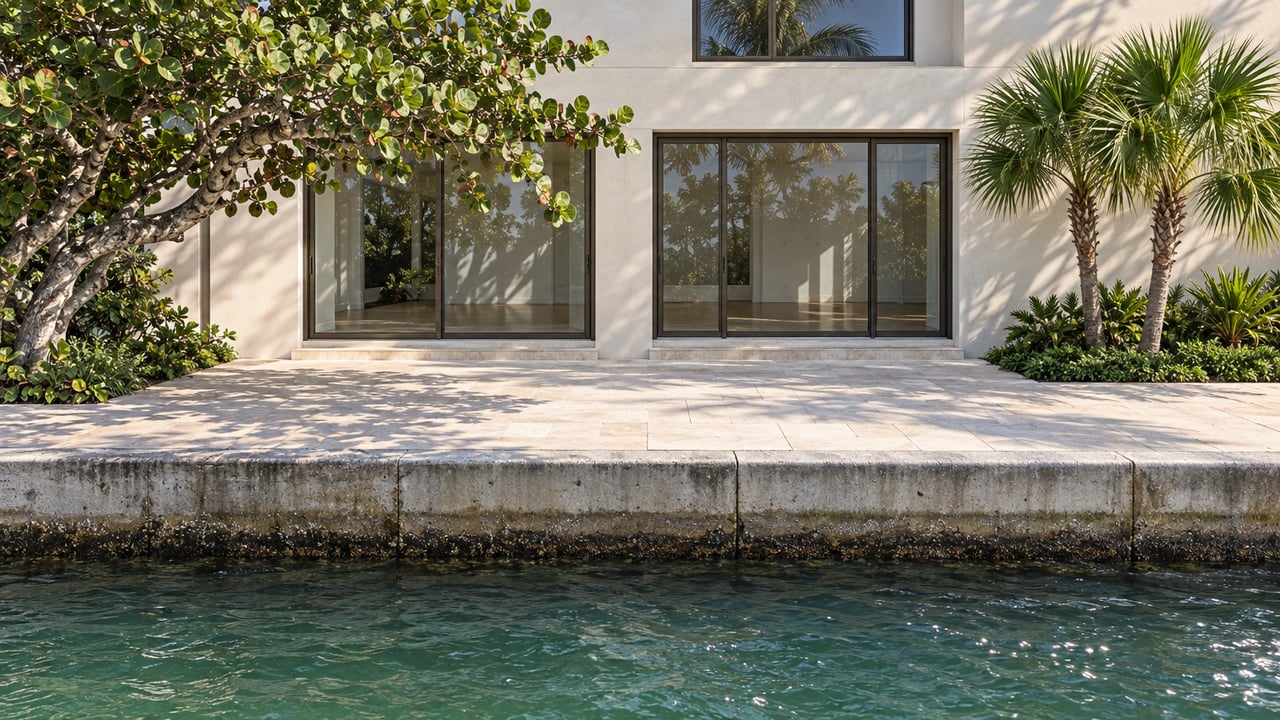
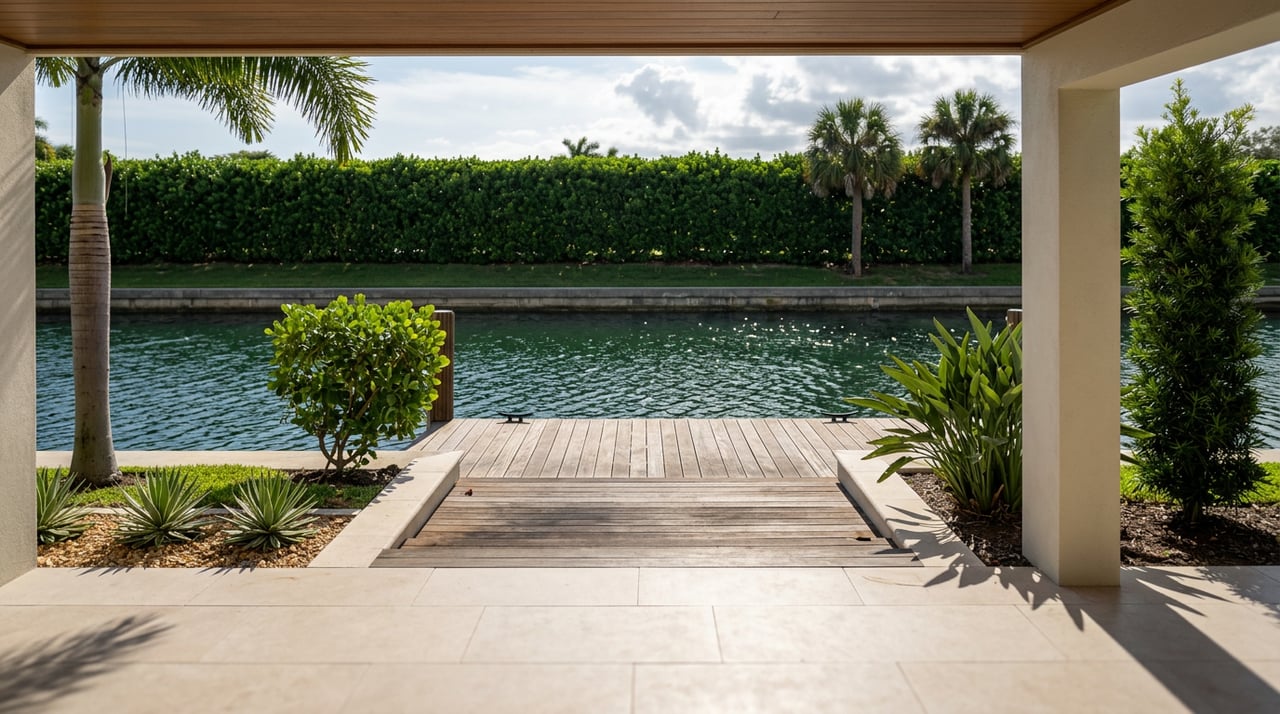
You live on a private lot that fronts the Intracoastal with your own seawall and dock. You get quick access for cruising and a high level of privacy. Many buyers choose this for large docks and the ability to keep bigger vessels at home.
The tradeoff is responsibility. You handle seawall and dock upkeep, permits, and any private canal maintenance tied to your parcel. Prices in prime Intracoastal enclaves often command a premium given frontage, lot size, and private docks.
You get the Atlantic right outside and direct beach access. The association manages exterior maintenance and a master insurance policy, so your day-to-day upkeep is lighter. This is popular for buyers who value a lock-and-leave lifestyle.
The tradeoff is condo fees and community governance. Building-level repairs and master policy deductibles can impact owners, and Florida law outlines association insurance duties and reserves. Review budgets, reserves, and any special assessments before you commit.
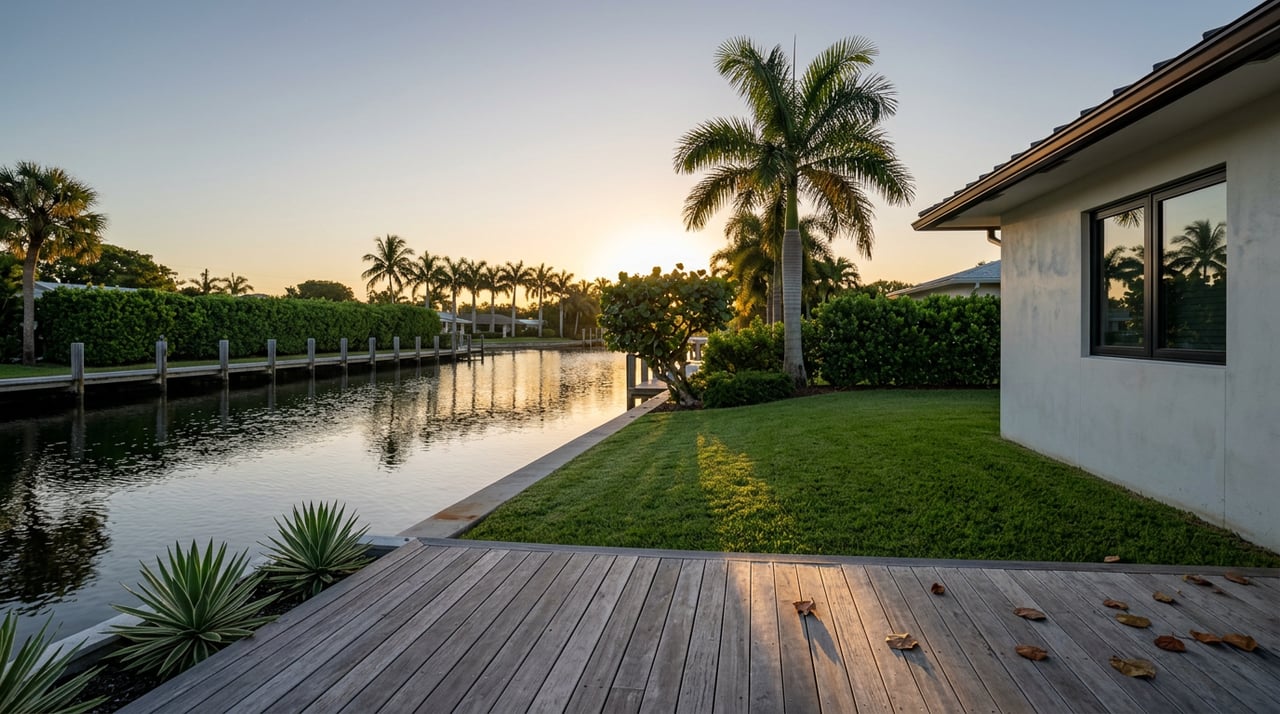
These homes sit on sheltered canals that feed the Intracoastal. You often see quieter docks and, in many cases, a lower price point than prime Intracoastal frontage. For many boaters, this is a sweet spot of privacy and access.
Depth and dredging are the big variables. Shoaling and channel depth change from place to place, and dredging may be a private or association cost. Verify who maintains the canal and how future dredging is funded through local maintenance districts or HOA documents, and review any published guidance from public drainage districts such as the Lake Worth Drainage District on canal responsibilities for nearby systems (canal maintenance responsibilities).
You enjoy managed dockage, on-site services, and rules that keep the docks orderly. Many owners prefer this setup because slip maintenance, security, and hurricane planning are coordinated. If you own a larger boat or split time between homes, this can be efficient.
The tradeoff is availability and rules. Slips may be deeded, assigned, or leased, and size limits or waitlists are common. Explore local resort and community marinas to understand slip sizes and services in the area, including options highlighted by nearby marina operators (Boca Raton area marinas and services).
If you plan to run offshore, study the Boca Raton Inlet. Mariners note local shoaling and a fixed-bridge environment that can limit height. Confirm real-world depths, bridge clearances, and opening schedules before you rely on any route, and check current conditions with nearby marinas or the inlet resource (Boca Raton Inlet overview).
FEMA adopted new Flood Insurance Rate Maps for Boca Raton effective December 20, 2024. These updates can change whether a lender requires flood insurance and may alter a property’s base flood elevation. Review the city’s latest guidance and confirm the property’s current designation before you write an offer (City of Boca Raton flood zone resources).
FEMA’s Risk Rating 2.0 changed how flood premiums are calculated, focusing on property-specific risk and replacement cost. Quotes vary widely across coastal zones, so get a flood quote and a homeowners or condo policy estimate early (Risk Rating 2.0 underwriting overview). Florida hurricane policies often carry a percentage deductible that can be significant on high-value homes. Review deductible options and how they apply under state insurance rules (Florida hurricane deductibles overview).
If a home appears in a Special Flood Hazard Area but sits above base flood elevation, you may be able to apply for a Letter of Map Amendment or Revision. The process uses certified elevation data and takes time, so build that into your closing plan (FEMA Online LOMC guidance).
Regional planners provide unified sea-level projections to help owners and cities plan improvements. Guidance points to roughly 10 to 17 inches of rise by 2040 and 21 to 54 inches by 2070 relative to a 2000 baseline. Use this as a planning lens for long-lived assets like seawalls and docks (City sea-level rise resources).
Florida law defines riparian rights and the state’s management of sovereignty submerged lands. Dock work and structures that extend into state-owned waters often require authorization, so factor this into your timeline and budget (Florida riparian rights and submerged lands).
Seawall condition drives both immediate risk and long-term costs. Replacement pricing in South Florida varies by material, access, and complexity, and ballpark ranges often fall in the low hundreds to low thousands of dollars per linear foot. Permitting can take months and typically involves multiple agencies. Require a recent seawall inspection report and budget conservatively for near-term repairs (seawall cost and permitting overview).
New docks, lifts, and major upgrades usually need permits, and association rules may add another approval layer. Expect separate timelines and engineering for lifts, power, and piles. In storm season, confirm whether lifts have current permits and whether the design matches your vessel’s weight and beam.
Condo dues on the ocean can be higher because they cover the building envelope, elevators, common-area insurance, and sometimes marina operations. For any condo or HOA, review the current budget, reserves, minutes, and insurance declarations. Pay close attention to master policy limits and hurricane deductibles, and ask about any pending or recent special assessments.
Consider an oceanfront condo or a community with a managed marina. You get direct beach access or reliable dockage without daily maintenance. Confirm slip ownership and transfer rules, guest docking, and any size or engine restrictions through marina and association documents. Local marina operators provide a snapshot of services and slip capacities across nearby facilities (area marina services and slip info).
An Intracoastal single-family home or a home on a well-maintained canal can be ideal. You control your dock, power, and lift, and you set your boat up exactly how you like it. Balance that freedom with the responsibility for seawalls, dredging contributions if applicable, and storm prep.
Focus on governance, risk, and carry costs. Many associations have rental rules and may impose limits after storms through increased assessments. Build a pro forma that includes flood and wind quotes, potential special assessments, and reserves. Your returns depend on more than the purchase price.
Not all canals are the same. Some are private and rely on owners or HOAs for dredging, while public drainage canals may be managed by special districts. Ask directly who funds dredging and how often it is done, and review any guidance from local drainage authorities on maintenance norms (drainage district canal guidance).
Choosing the right Boca Raton waterfront lifestyle is about matching your boating profile, maintenance comfort, and insurance tolerance to the property type. With the right plan and due diligence, you can enjoy the water with fewer surprises and a smoother closing.
If you want an experienced, hands-on advisor to guide the process from first tour to final walkthrough, connect with Karen Johnson. Karen blends luxury residential expertise with commercial-grade analysis, so you get clear numbers, confident negotiations, and a single senior point of contact. Get Your Instant Home Valuation.
Stay up to date on the latest real estate trends.
Get assistance in determining the current property value, crafting a competitive offer, writing and negotiating a contract, and much more. Contact me today.