
Choosing Between New Construction and Resale in Delray Beach
January 15, 2026
January 15, 2026
Torn between a brand-new build and a resale home in Delray Beach? You’re not alone. Both options can be smart, but the right choice depends on your timeline, budget, appetite for customization, and comfort with risk. In this guide, you’ll learn how new construction and resale compare on timing, total cost, warranties, HOA rules, inspections, financing, and insurance so you can move forward with confidence. Let’s dive in.
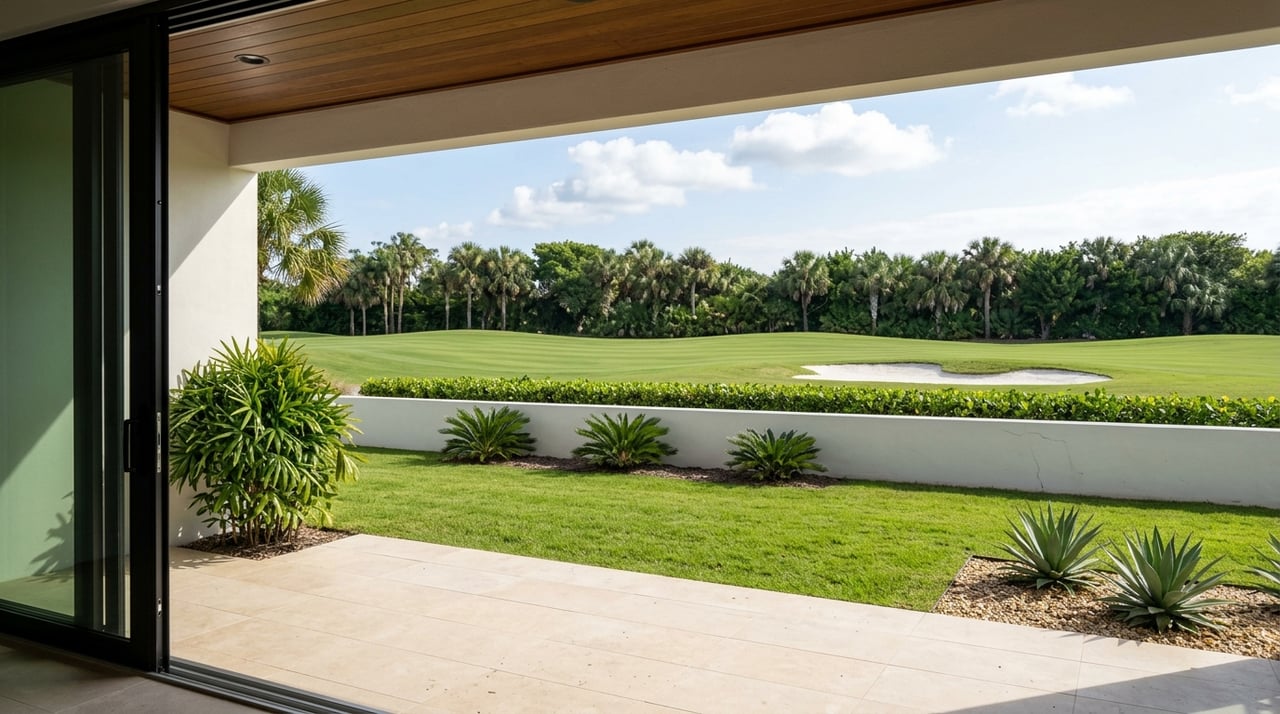
Delray Beach sits within Palm Beach County and blends coastal single-family homes, downtown condos and townhomes, and gated communities. Buyers include year-round residents, seasonal owners, and investors. Local conditions can shift quickly based on inventory and interest rates, which affects how much negotiating power you have with builders and resale sellers.
New construction timelines vary by builder and product. Spec homes often take about 3 to 9 months. Semi-custom builds can run 6 to 12 months. Fully custom homes often take 12 to 24 months or more once permits are in place. Weather, permitting, and supply chains can add time.
Resale closings are faster. A typical contract-to-close window is about 30 to 60 days, depending on financing and inspections. If you need to move soon, resale usually wins on speed.
New construction prices often start higher than comparable older homes. The base price rarely includes popular upgrades. Expect line items for finishes, appliances, landscaping, window treatments, pools, and lot premiums. Builders may also offer incentives like rate buydowns or closing-cost credits, often tied to preferred lenders.
Resale homes can come with modernization costs for systems or finishes. The upside is you can often negotiate seller credits or price adjustments for needed work. A smart approach is to compare the all-in cost: new home base price plus upgrades and fees versus resale price plus renovation, maintenance, and insurance.
New construction typically includes a layered warranty structure. You often see about 1 year for workmanship items, manufacturer coverage on appliances and systems, and a longer structural warranty that can extend up to 10 years for major defects. Be sure to review exclusions, maintenance requirements, and the exact claim process.
Resale homes rely on the property’s current condition, your inspections, and any transferable warranties or optional home warranties. Expect to use disclosures and inspection results to negotiate repairs or credits rather than depend on a builder warranty.
In new communities, the HOA is usually controlled by the developer at the start. Fees may be lower in the early years, but reserves can be thin and special assessments are possible as the community matures. Turnover to homeowner control follows a defined transition.
In established HOAs, you can review budgets, reserves, meeting minutes, and any litigation history. You get a clearer view of rules, fees, and how the community handles maintenance and assessments. Always request the HOA financials, covenants and rules, reserve studies, and insurance summary before you sign.
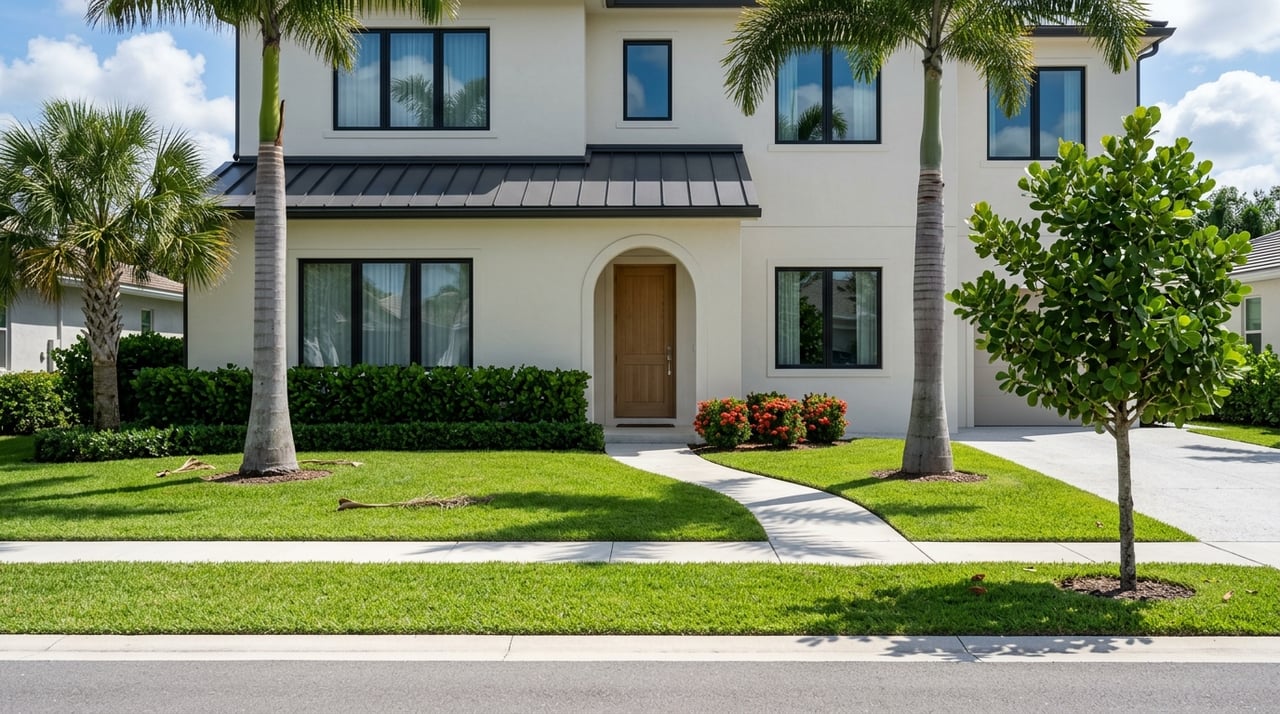
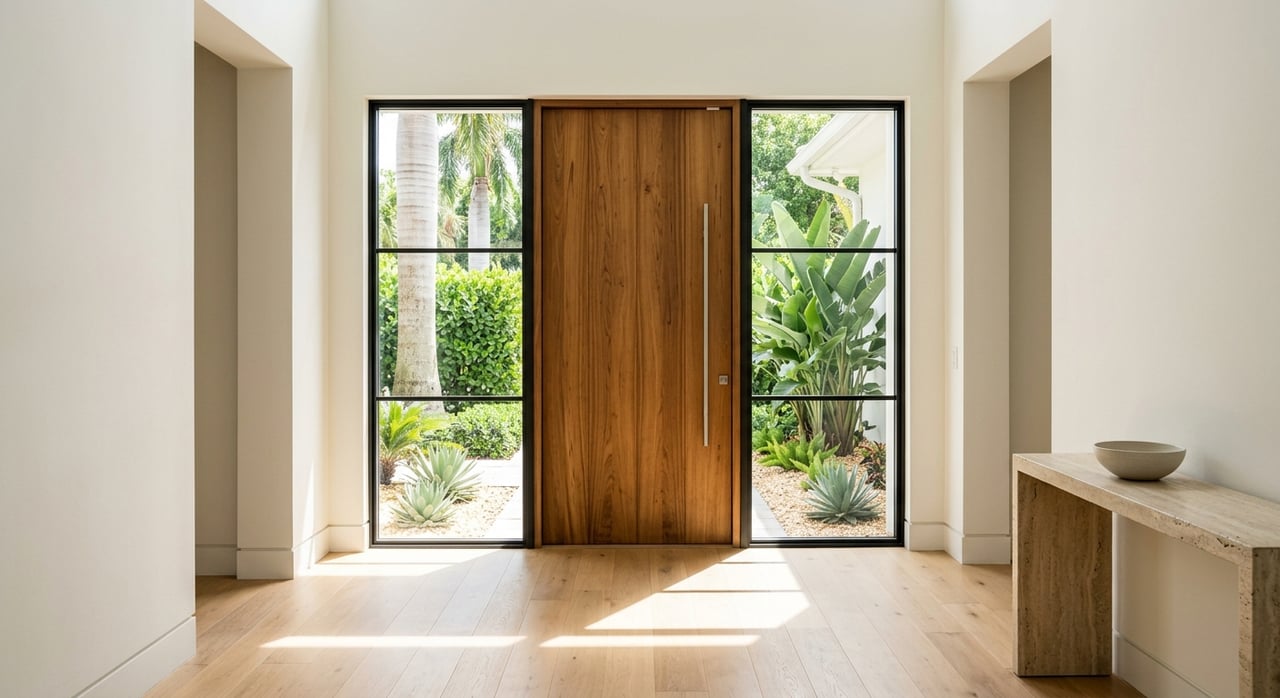
New homes meet current building codes, including wind and energy standards that can improve durability and reduce insurance costs. You also choose layouts and finishes. Quality still varies by builder. Review prior projects, tour model homes, and plan independent inspections.
Resale homes range from updated luxury to homes that need upgrades. Some older properties may already have impact windows, newer roofs, or strengthened connections. If not, factor retrofits like impact glass or roof work into your budget to meet modern wind mitigation expectations.
New construction benefits from independent inspections. Ask for pre-drywall, final, and post-closing punch list inspections. Some builder contracts limit access or timelines, so negotiate inspection rights up front. Confirm the path to remedies for any issues you discover.
Resale purchases typically include a general home inspection plus specialized reviews for roof, HVAC, pool, pest or WDO, and potential moisture or mold. Use your inspection contingency to negotiate repairs or credits.
Resale homes use standard loans like conventional, FHA, or VA, with closings paced by lender underwriting.
New construction may use a construction-to-permanent loan that converts to a mortgage at completion, or a separate construction loan followed by a standard mortgage. Builders often offer incentives through preferred lenders, but you should compare all terms. For unique or high-end builds, appraisals can be more complex if there are few comparable sales. If your build spans many months, consider rate lock strategies and how long incentives last.
Parts of Delray Beach fall within FEMA flood zones. If a property is in a mapped flood zone, your lender may require flood insurance. Request flood zone determinations and elevation certificates when available, and price policies early.
Florida’s homeowner insurance market is unique. Citizens Property Insurance serves as an insurer of last resort. Newer homes can earn mitigation discounts if built to recent codes with impact features and modern roofs. For any home, get quotes for homeowner and flood insurance early in your process so premiums fit your budget.
There is no one-size-fits-all answer. New construction gives you the latest codes, personalization, and defined warranties, but it comes with longer timelines and upgrade costs. Resale gets you in faster with a clear HOA and maintenance track record, but you may need to budget for updates or storm resilience. When you weigh timing, total cost, risk, and lifestyle fit, the right path becomes clear.
If you want a steady hand to compare options, evaluate all-in costs, and negotiate the right protections, connect with Karen Johnson. You’ll work directly with a senior advisor who knows how to navigate South Florida’s unique build, insurance, and HOA landscape.
Stay up to date on the latest real estate trends.


Get assistance in determining the current property value, crafting a competitive offer, writing and negotiating a contract, and much more. Contact me today.