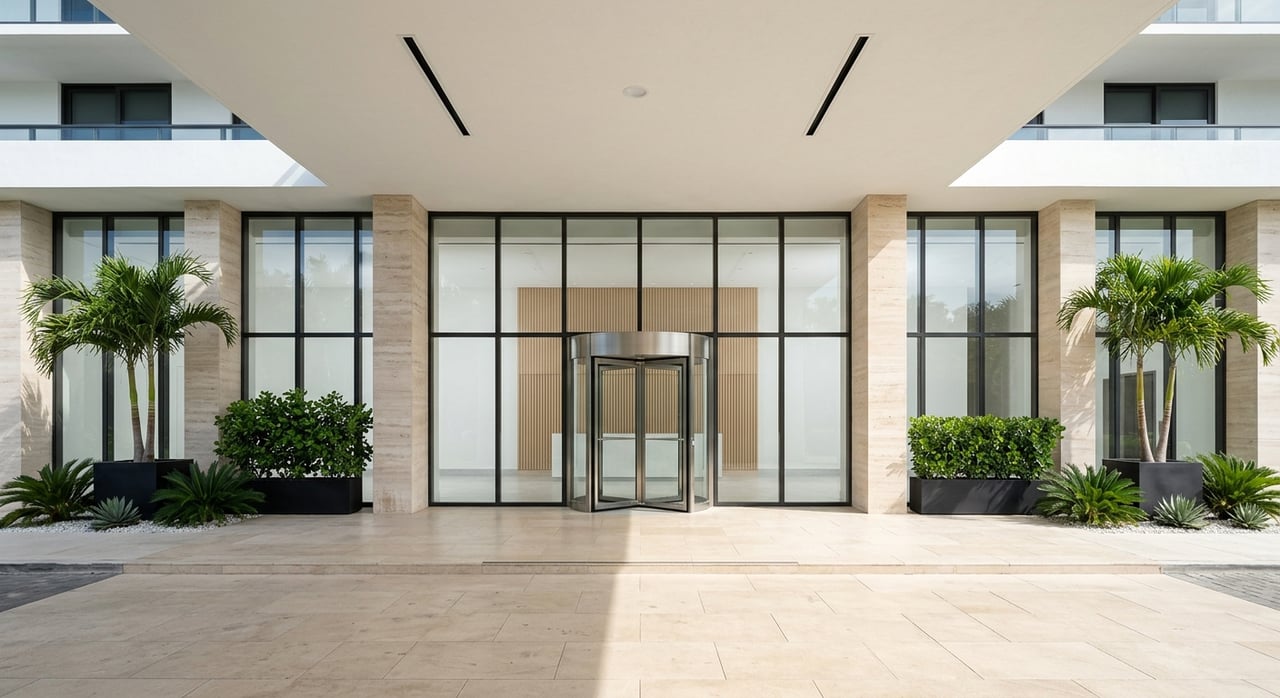
Miami Preconstruction Condo Guide for Smart Buyers
June 4, 2026
June 4, 2026
Buying a Miami preconstruction condo can feel exciting fast. The renderings are polished, the amenities look impressive, and the launch pricing can seem like a rare opportunity. But in today’s Miami market, the smartest buyers look beyond the brochure and evaluate each project as a long-term financial and ownership decision. In this guide, you’ll learn how to assess Miami preconstruction condo opportunities with more confidence, from developer credibility to reserves, rental assumptions, and future resale risk. Let’s dive in.
Miami has strong demand for new condo product, but that does not mean every project is equal. MIAMI REALTORS’ first new-construction sales report covered 37 projects and 9,115 units over an 18-month period ending in June 2025, and 49% of new South Florida construction, pre-construction, and condo-conversion sales were to international buyers.
At the same time, the broader condo landscape matters. MIAMI REALTORS reported that 61% of Miami-Dade condos were 30 years old or older as of 2024, while condo and townhome sales softened in its 2025 outlook. That combination creates a market where demand may stay strong, but building quality, reserves, and future operating costs deserve close attention.
If you plan to rent out the unit later, supply should also be part of your analysis. In June 2025, Miami Metro multifamily asking rents rose 1.6%, but about 24,300 units were under construction and metro vacancy was about 6%. That means rent potential may be real, but overly aggressive projections can weaken the deal.
A glossy sales gallery does not tell you who is truly behind a project. One of the first steps is confirming the developer entity and principals through Florida’s Division of Corporations records.
Sunbiz allows searches by entity name, officer, registered agent, FEI or EIN, address, and document number. That makes it a practical way to verify who controls the project and whether the parties involved are consistent with the names presented in marketing materials.
You should also look at prior projects and delivery history. A developer with a clear track record may offer more comfort than one with limited history or hard-to-verify experience. In a market like Miami, execution matters just as much as vision.
For Florida condominium development, the regulatory paperwork is not a minor detail. It is part of how you judge whether a project is progressing properly.
For residential condominiums with more than seven units, the Florida Department of Business and Professional Regulation requires an Initial Condominium Application with forms, documents, and fees. If a project has more than 20 units, it also files a prospectus.
DBPR also states that a developer may not close until the filing is approved, required documents have been delivered to the buyer, and the declaration creating the condominium has been recorded. If you are considering a preconstruction purchase, this is an important checkpoint rather than background noise.
In Miami preconstruction, the written package matters more than the model unit and more than anything said in a sales conversation. Florida law points buyers back to the formal documents, including the declaration, articles, bylaws, rules, annual budget, annual financial statement, and Q&A sheet or prospectus materials.
The statute also warns buyers not to rely on oral representations as the correct statement of the developer’s promises. That is one of the clearest signals you can get as a buyer. If something matters to your decision, it needs to be supported by the written documents.
This is especially important if you are comparing several projects at once. Two buildings may look similar on the surface, but the actual ownership structure, operating budget, rules, and reserve obligations can be very different.
One common mistake is treating the early budget like a fixed operating picture. Florida law says the figures in the developer budget are estimates only, and actual costs may exceed them.
That matters because carrying costs often shape the long-term success of your purchase. A unit that looks appealing on day one can become less attractive if association fees rise more than you expected after turnover or as the building matures.
There is another timing issue to watch. If the closing is more than 12 months after the offering circular is filed, the developer must provide a current estimated operating budget at closing. In plain terms, the fee picture can change between launch and delivery, so review the updated numbers carefully.
Deposits deserve close attention in any preconstruction deal. In Florida, for pre-completion condo sales, all payments up to 10% of the sale price generally must be placed in escrow, although the statute allows a surety bond or irrevocable letter of credit in some residential situations.
The escrow account must be held by an approved bank, attorney, broker, title insurer, or qualifying lending institution. This is not just a legal technicality. It is a core part of understanding how your funds are being handled.
Florida also gives buyers a statutory cancellation period in many new-condo transactions. A new-condo contract is generally cancelable within 15 days after execution and receipt of the required documents, and a later material adverse amendment can trigger another 15-day cancellation period.
If you are buying with investment goals in mind, you need to underwrite the unit as an income-producing asset, not just a lifestyle purchase. That starts with the building’s rental policy and a realistic view of the local lease market.
Use neighborhood-level rent comps instead of broad citywide assumptions. The Miami Metro rent backdrop in 2025 showed growth, but it also showed meaningful construction underway and a 6% vacancy rate. A deal that only works if rents climb quickly may be more fragile than it appears.
You should also match rent expectations to the specific product. Unit size, layout, fees, and building rules all affect leasing performance. Even in a strong market, one project can lease far better than another a short distance away.
In South Florida, condo evaluation now has to include future inspection and reserve obligations. DBPR notes that four condo-related laws have been enacted since 2022, and HB 913 became law on July 1, 2025, with themes of safety, accountability, transparency, and reserve funding.
Florida’s milestone inspection rules are central here. Milestone inspections are required for condo or co-op buildings that are three or more habitable stories at 30 years, or 25 years in certain local coastal circumstances, and every 10 years after that. Miami-Dade’s recertification framework also states that buildings are subject to recertification at 30 years inland and 25 years coastal, then every 10 years for the life of the structure.
For existing owner-controlled associations that were in place on or before July 1, 2022, a structural integrity reserve study had to be completed by December 31, 2025, unless a milestone inspection was due by December 31, 2026 and the SIRS was completed with it, but not later than December 31, 2026. While that timing often affects older buildings more directly, it matters to preconstruction buyers because it influences how future buyers compare newer inventory to aging resale options.
A preconstruction condo is not just a purchase for move-in or delivery day. It is also a future resale asset. That is why your evaluation should include what the next buyer may care about several years from now.
Florida now requires added disclosure in sales contracts entered into after December 31, 2024. Contracts must include a conspicuous statement about whether a milestone inspection or SIRS is required and whether it has been completed. Resale contracts also must include current condo documents and a recent financial package, with a 7-day voidability period if those documents are delivered after signing.
Financing access can affect resale demand too. MIAMI REALTORS has noted that the lack of FHA loans for many existing Miami condominium buildings is preventing further market strengthening. Even if your target building is brand new today, future marketability still depends on how broad the buyer pool is when you decide to sell.
If you want a cleaner way to compare opportunities, use this checklist before you commit:
That checklist reflects how Miami preconstruction should be analyzed today. You are not simply buying a floor plan. You are evaluating a building, a budget, a regulatory framework, and a future exit strategy.
A well-chosen preconstruction condo can still be a strong opportunity in Miami. But the best decisions usually come from disciplined review, realistic underwriting, and a clear understanding of how the project will operate after the excitement of launch day fades.
If you want a second set of eyes on a Miami preconstruction opportunity, Karen Johnson offers hands-on guidance backed by real underwriting perspective, so you can evaluate the numbers, documents, and long-term risks with more clarity.
Stay up to date on the latest real estate trends.

Get assistance in determining the current property value, crafting a competitive offer, writing and negotiating a contract, and much more. Contact me today.