Thinking about a luxury home in Palm Beach and wondering if you need a jumbo loan? You’re not alone. High-end properties often require larger financing, and the rules can feel different from what you may have experienced elsewhere. In this guide, you’ll learn how jumbo loans work, what lenders expect, and how to prepare for a smooth purchase in Palm Beach. Let’s dive in.
What is a jumbo loan?
A jumbo loan is a mortgage that exceeds the conforming loan limit set by federal agencies. The exact limit changes annually and varies by county and property type. In Palm Beach County, many luxury homes surpass this threshold, which means your loan may be considered a jumbo.
Your first step is to verify the current limit for the county. You can quickly confirm the latest numbers by checking the Federal Housing Finance Agency’s conforming loan limits. Use the FHFA’s county lookup tool to check the current FHFA conforming loan limit for Palm Beach County. For a simple overview of what jumbos are and how they differ from standard loans, review the CFPB’s explanation of jumbo mortgages.
Why jumbos are common in Palm Beach
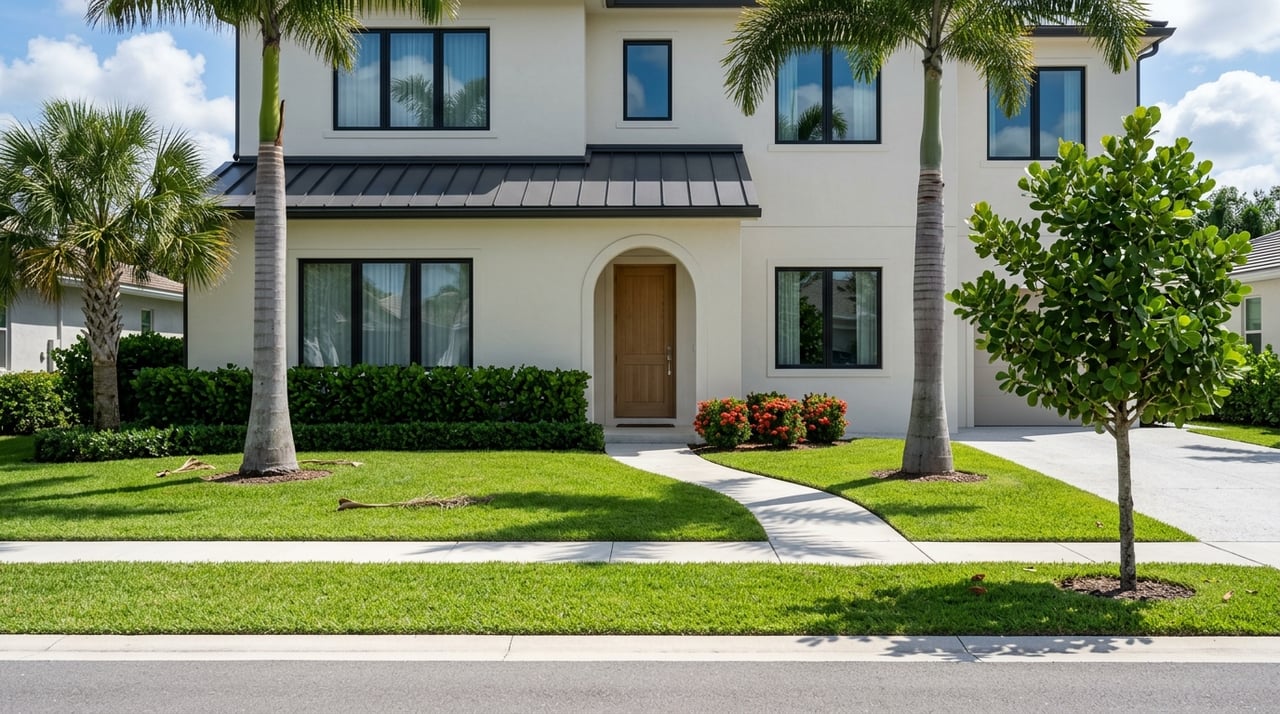
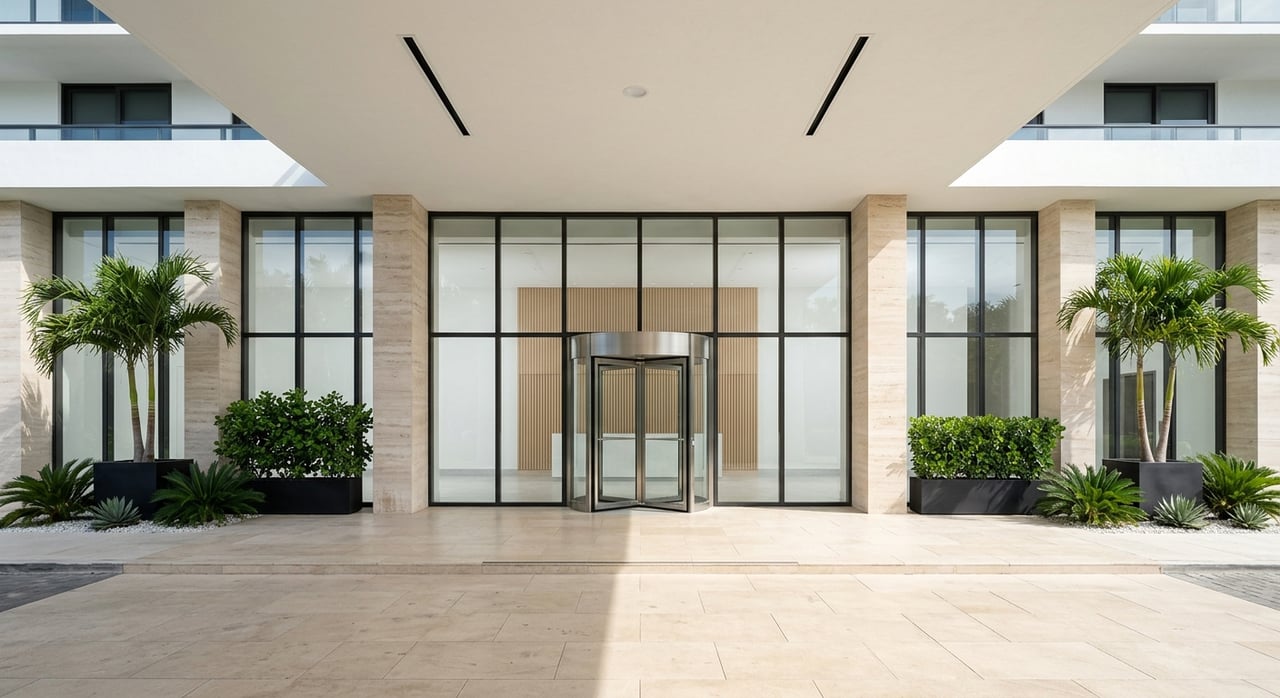
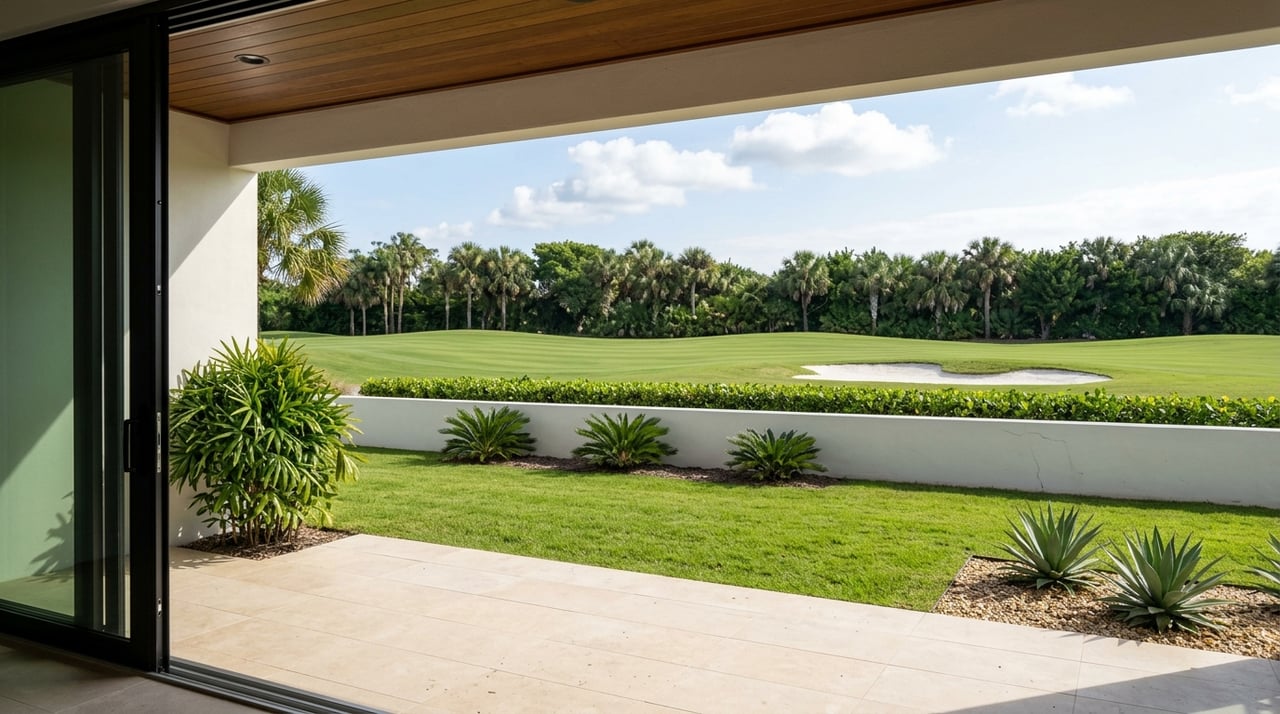
Palm Beach offers waterfront estates, high-end condos, and custom properties that often exceed conforming loan limits. Unique architecture, large lots, and bespoke finishes can drive values well into jumbo territory. These features also make valuations and underwriting more complex, so planning ahead is essential.
If you are considering a turnkey condo or a one-of-a-kind waterfront home, expect your lender to scrutinize the property’s details. With a well-prepared file and an experienced team, you can still move quickly and confidently.
What lenders expect on jumbo loans
Jumbo underwriting is more detailed than a typical loan. Here’s what most lenders look for.
Down payment and LTV
- Typical range: About 10 to 25 percent down for primary residences. Ten percent options can exist with select lenders if your credit and assets are very strong.
- Second homes and investments: Often 20 to 30 percent or more.
- Unique or ultra-high-end properties: Lenders may prefer lower loan-to-value ratios, which means larger down payments.
Credit and DTI
- Credit score: Lenders usually want strong credit, commonly 720 or higher. Some will consider slightly lower scores with compensating factors like bigger down payments or significant reserves.
- Debt-to-income ratio: Maximums often range from 43 percent up to around 50 percent, depending on your profile.
Reserves
- Primary residences: Often 6 to 12 months of PITI (principal, interest, taxes, insurance).
- Second homes: Commonly 12 months or more.
- Investment properties: Frequently 12 to 24 months, sometimes with added reserves per rental unit.
Assets and gifts
- Expect to verify large asset balances with account statements and explain the source of funds for your down payment.
- Gift funds may be allowed for primary residences. These typically require a gift letter and documentation from the donor.
- If you moved money recently, lenders may ask for 60 to 90 days of statements and proof of the original source.
Income and employment
- Salaried employees: Plan to provide recent pay stubs and W-2s.
- Self-employed buyers: Expect two years of personal and business tax returns and possibly a year-to-date profit and loss statement.
- Rental income and business income can be used but usually require more documentation and conservative calculations.
Appraisals and property factors in Palm Beach
Luxury properties in Palm Beach can be hard to value because truly comparable sales may be scarce. That can affect timing and the documentation you’ll need.
Appraisal realities
- Unique properties may require an appraiser with specific luxury or waterfront experience.
- Appraisals can take longer and sometimes require second opinions or desk reviews.
- Features like dock rights, elevation, seawalls, and view corridors can materially affect value. For context on valuing complex properties, the Appraisal Institute’s resources on unique and high-value homes are helpful for understanding the process.
Waterfront and flood risk
- Many Palm Beach homes are in flood hazard areas, which means you will need to confirm flood zone status and, if required, obtain flood insurance.
- Start early by checking FEMA’s maps. The FEMA Flood Map Service Center helps you identify a property’s flood zone, and the National Flood Insurance Program explains coverage basics.
- Elevation certificates, seawall condition reports, and recent surveys can streamline underwriting and insurance.
Condos and HOAs
- Lenders often review condo projects at the building level. They will look at financials, reserves, owner-occupancy ratios, and any litigation or special assessments.
- Documentation can be extensive. For technical background on how lenders evaluate condo projects, see the Fannie Mae Single-Family Selling Guide.
Insurance basics
- High-value homes may require specialized coverage and endorsements to meet lender requirements.
- Windstorm mitigation items like hurricane shutters or roof bracing can impact premiums. Be ready to provide documentation of recent upgrades and roof age.
Rates, products, and pricing
Jumbo pricing can vary more across lenders than conforming loans. That is why shopping matters.
Rates vs. conforming
- Jumbo rates are sometimes similar to conforming rates and sometimes higher. The spread depends on market conditions and your profile.
- Monitor overall rate trends with tools like the Freddie Mac Primary Mortgage Market Survey and compare multiple lender quotes.
Product options
- Portfolio jumbos: Held by the bank and often more flexible, useful for complex income or unique properties.
- Agency high-balance loans: In some counties, these can offer higher limits while staying conforming. Confirm availability for Palm Beach by checking FHFA limits.
- Alternative documentation options: Bank statement or asset-based programs may be available for self-employed or high-net-worth buyers.
- Interest-only or ARMs: Possible with stricter eligibility and higher reserve requirements.
- Construction-to-perm jumbos: Common for custom builds and require experienced lenders.
Points, fees, and locks
- Jumbo loans can include higher origination points and closing costs. Title fees, surveys, and insurance can also be higher for premium properties.
- Longer rate locks are common in luxury transactions to accommodate appraisal schedules and condo reviews. Discuss lock length, extensions, and float-down options with your lender.
Your pre-approval game plan
Getting prepared early makes you a stronger buyer in a competitive market.
Start with the basics
- Verify whether your target price exceeds the county’s conforming limit using the FHFA county limit lookup.
- Interview multiple lenders. Ask about minimum credit scores, maximum LTVs, reserve requirements, DTI limits, condo project reviews, and appraisal timelines.
- Get a written pre-approval that details your maximum loan amount and a preliminary documentation list.
Assemble your documents
- Two years of tax returns and W-2s. If you are self-employed, include two years of personal and business returns and a current year profit and loss statement.
- Two to three months of bank and brokerage statements, including documentation for large deposits.
- Retirement account statements if counted as reserves.
- Gift letters and donor statements if using gift funds.
- Business documents such as K-1s or corporate returns if applicable.
Property checklist for Palm Beach buyers
Getting property-specific items early can save weeks later.
- Preliminary flood zone check and any available elevation certificate. Use FEMA’s Flood Map Service Center for a quick read.
- For waterfront: seawall condition, dock permits and rights, and any known erosion history.
- For condos: HOA financials, reserve study, master insurance policy, warranty information, and litigation statements.
- Roof age, wind mitigation features, and any major renovations with permits.
- Recent comparable sales and assessed data from the Palm Beach County Property Appraiser, which can help you and your lender understand valuation context.
Timing and negotiation tips
Jumbo financing on luxury properties can take longer than a standard loan. Plan for extra time for the appraisal, condo or HOA review, and insurance underwriting. Two to four weeks for the appraisal alone is not unusual for complex or waterfront homes.
Work with your agent to structure contract timelines that protect you while keeping your offer competitive. Consider appraisal and HOA contingencies with realistic deadlines. Coordinate rate lock length with your lender to match your expected closing schedule.
Partner with a trusted local advisor
The Palm Beach luxury market moves quickly, and each property is unique. You deserve a hands-on advocate who can help you prepare a strong file, coordinate with experienced lenders and appraisers, and keep the process moving from offer to close. If you are thinking about a jumbo loan for a Palm Beach home, let’s talk strategy and next steps.
Ready to move forward? Connect with Karen Johnson for tailored guidance and introductions to local jumbo lenders, appraisers, and insurance pros who understand Palm Beach.
FAQs
What is a jumbo loan for Palm Beach purchases?
- A jumbo loan is a mortgage that exceeds the FHFA’s county-specific conforming limit; many luxury Palm Beach homes need jumbo financing due to higher prices.
How much down payment do jumbo loans usually require?
- Primary residences can go as low as about 10 percent with select lenders, but many require 20 to 25 percent; second homes and investments often need 20 to 30 percent or more.
How do jumbo rates compare to regular mortgages?
- Rates can be similar or slightly higher than conforming, depending on market conditions and your profile; compare multiple quotes and monitor the Freddie Mac PMMS for trends.
What extra documents will lenders want for a jumbo?
- Expect thorough income verification, multiple months of asset statements, documentation for large deposits, and proof of reserves that often range from 6 to 12 months or more.
What property issues can affect jumbo underwriting in Palm Beach?
- Flood zones, hurricane and wind exposure, seawall and dock conditions for waterfront homes, and HOA financial health for condos can all impact appraisals, insurance, and loan approval.